Distressed Football Cut Files: A Designer’s Review
When evaluating digital assets for real-world production, the gap between a screen preview and a finished product can be vast. As a designer who regularly bridges the divide between digital graphics and physical embroidery, I approach every new asset with a critical eye. The Distressed Football Cut Files present an interesting case study in versatility. While marketed primarily as cut files for vinyl or paper crafts, their utility extends significantly into the realm of machine embroidery design when applied correctly. My recent project involving a custom embroidered tote bag for a local youth league fundraiser provided the perfect testing ground to evaluate how these graphics translate from pixel to stitch.
First Impressions and Visual Personality
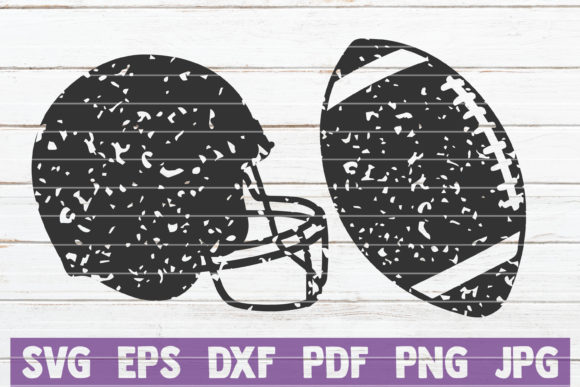
Upon opening the package, which includes 1 DXF file, 1 PDF file, 2 SVG files, 2 PNG files at 300ppi with transparent background, 2 JPG files, and 2 EPS files, the immediate strength is the distressed aesthetic. In the world of Crafts and Graphics, "distressed" often means grunge textures that are difficult to replicate in thread. However, this design strikes a balance. The visual personality is rugged yet clean, evoking a vintage athletic feel without being overly cluttered. For an embroidery designer, this is crucial. Excessive detail in a graphic often leads to poor stitch definition, but the bold lines and intentional gaps in this artwork suggest it was created with reproduction in mind. It feels less like a clip-art afterthought and more like a deliberate design asset intended for merchandise.
Real-World Application: The Tote Bag Test
To truly judge this design, I moved beyond the computer screen to a practical embroidery project. I selected a heavy-weight canvas tote bag, a staple for any handmade product line or Etsy seller inventory. The goal was to create a personalized gift that looked professionally manufactured rather than homemade. Using the high-resolution PNG as a reference template, I digitized the football shape using a combination of fill stitch for the body and satin stitch for the laces. The distressed elements were handled with running stitch outlines and negative space, allowing the fabric texture to show through.
The result on the tote bag was impressive. The design held its integrity despite the coarse fabric texture of the canvas. Because the original Distressed Football Cut Files possess strong silhouettes, the embroidered version remained legible and stylish even from a distance. This is where the value lies for small business owners; the design translates well to commercial embroidery because it doesn't rely on microscopic details that get lost on textured materials. It creates instant recognition and adds perceived value to what is essentially a simple blank canvas bag.
Versatility Across Apparel and Decor
Beyond tote bags, this graphic shows immense promise for custom apparel. I can easily visualize this as a chest logo on sweatshirt embroidery projects or as a decorative accent on baby embroidery items like bibs and onesies. The distressed style naturally lends itself to holiday embroidery, particularly for autumn and winter sports seasons. For makers focusing on nursery decor or pillow covers, the design offers a gender-neutral, sporty charm that appeals to modern parents. As a digital embroidery file source, it provides a solid foundation for creating embroidered patches or applique designs, expanding the potential product catalog for creative entrepreneurs without requiring hours of original illustration work.
Navigating Technical Limitations and Fabric Choices
Despite its strengths, professional judgment requires acknowledging where a design might fail. The distressed nature of these cut files demands careful consideration of stabilizer and fabric choice. On thin or stretchy fabrics like jersey knit, the intentional gaps in the design could cause registration issues if the fabric shifts during stitching. I would advise against using this specific distressed style on performance wear or lightweight t-shirts unless you are highly experienced with topping and tear-away stabilizers. The design performs best on stable, woven fabrics where the "worn" look is a stylistic choice rather than a structural flaw.
Furthermore, small hoop sizes present a challenge. When scaling down Distressed Football Cut Files for a cap or a sleeve cuff, the distressed texture can turn into visual noise. Tiny lettering or intricate grunge effects that look great at 4 inches may become unrecognizable blobs of thread at 1.5 inches. For caps specifically, the curved surface combined with the distressed edges requires precise hooping and potentially a simplified version of the design to maintain stitching clarity. Always inspect small details before committing to a full production run.
Impact on Brand Consistency and Customer Trust
For Etsy sellers and boutique owners, consistency is currency. Using high-quality graphics like these ensures that your finished product matches your printable mockup. There is nothing worse than a customer receiving an item that looks messy compared to the digital preview. The 300ppi transparent PNGs included in this set allow for accurate mockup creation, helping to manage buyer expectations. When the actual embroidery mirrors the crispness of the digital proof, it builds customer trust and reduces return rates. This level of professionalism distinguishes a serious craft business from a hobbyist experiment.
Essential Designer Notes for Success
Before adding this to your next collection, adhere to these practical guidelines derived from my review process:
- Test Stitch First: Never assume a digital file will stitch perfectly without modification. Always run a test on scrap fabric similar to your final product to check stitch density and tension.
- Verify Licensing: While the file formats are comprehensive, always confirm the specific license terms regarding commercial use of finished products versus selling the digital embroidery file itself.
- Contrast Check: Test the design on both light and dark fabric backgrounds. Distressed designs sometimes lose impact on dark colors if the thread contrast isn't sufficient.
- Mockup Validation: Use the provided JPG and PNG files to create realistic previews, but ensure your digitizing matches the artistic intent of the original vector art.
- Stabilizer Selection: Match your stabilizer weight to the fabric and the stitch count. Heavier distressed fills may require cut-away backing on knits to prevent puckering.
- Detail Inspection: Zoom in to 100% on your embroidery software to ensure no stray nodes or overlapping stitches exist in the converted design.
Final Verdict for Makers and Sellers
The Distressed Football Cut Files represent a valuable asset for the versatile maker. They bridge the gap between digital crafting and textile art effectively, provided the user respects the technical requirements of embroidery. Whether you are producing custom apparel for a team, creating personalized gifts for the holiday season, or stocking your shop with unique sports-themed decor, this design offers a professional starting point. It avoids the generic look of standard clip art while remaining accessible enough for intermediate digitizers. By treating this graphic as a blueprint rather than a direct stitch file, and by mindfully selecting appropriate fabrics and hoop sizes, you can elevate your handmade products and deliver results that satisfy both your creative standards and your customers' expectations.